The Fatal Descent: How Jim Lost His Life in Peacock Springs III

| Incident Location | Diver Full Name |
|---|---|
| USA, Florida, Peacock Springs III | Jim |
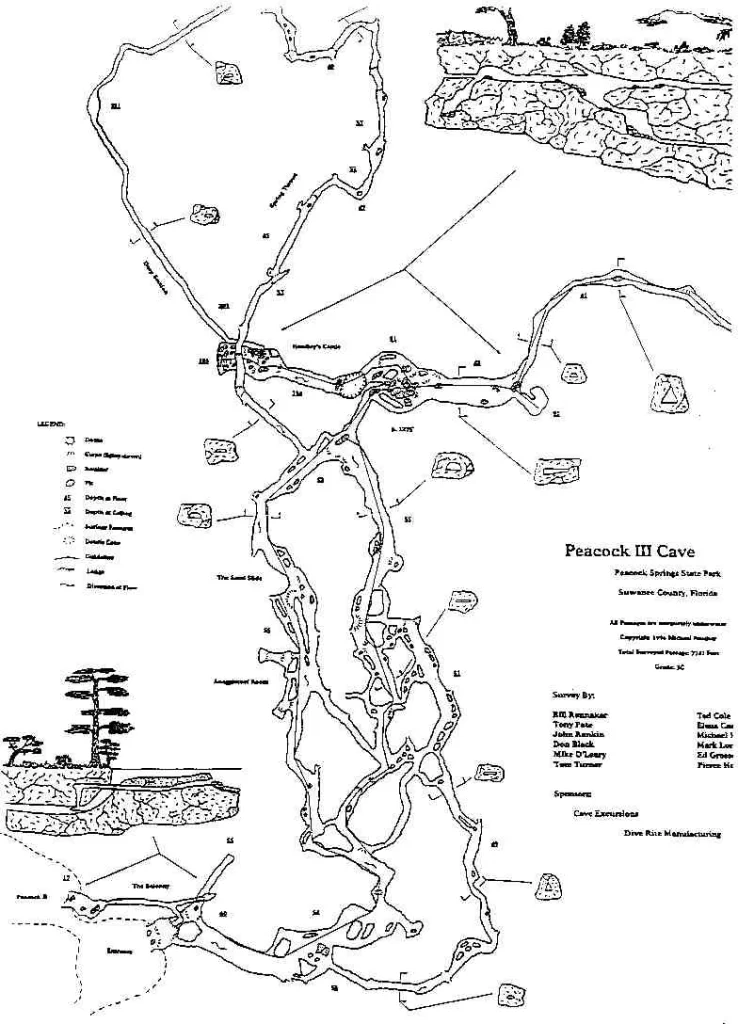
Throughout Florida, there are about 700 natural springs connected to the Floridian aquifer system. Among these, Peacock Springs contains over 10 miles of mapped underwater cave tunnels. Of its five diveable sites, Peacock Springs III (PIII) is regarded as the most demanding and hazardous for divers.
The Divers Preparing to Enter PIII
Introducing the Group
On April 9th, 1990, three individuals—two adults and a child—prepared their diving gear, including diving masks, diving tanks, and diving suits, along the banks of PIII. Their real names were never released, so pseudonyms are used for clarity.
Jim, age 53, had traveled from the Atlanta area with his 10-year-old son Matthew. Although the reason for their Florida trip was never stated, the two shared a known bond over diving. Jim had completed a cavern diving course two years earlier, earning a certification. However, this did not qualify him for cave diving, which requires far more extensive training. Matthew, being only ten, was too young for even basic open-water certification.
The Third Diver
The third member of the group, Paul, had taken the same cavern diving course as Jim. Like Jim, he was cavern-certified but not cave-certified. In effect, none of the three possessed the level of training required for a challenging cave system like PIII.
When all three were ready, they entered the water and began their descent toward the cave entrance.
Entering the Cave and the Sudden Silt-Out
Setting the Guideline
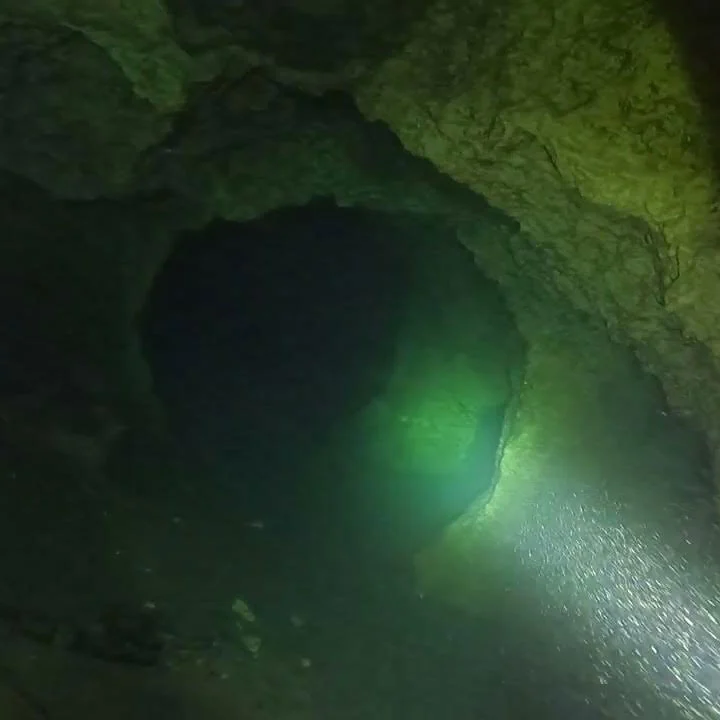
Paul took the lead as they moved toward the cave entrance, located roughly 25 feet below the surface. Once there, he pulled out a spool of rope and attached it just outside the entryway to serve as a guideline, an essential safety measure when navigating caves without a diving computer or advanced cave training.
Visibility Collapses
As soon as they crossed into the entrance, a severe silt-out occurred. Visibility dropped to almost nothing. None of the divers could see each other, their lights, or the cave walls through the clouded water.
Paul assumed the others had turned back. Believing they were all exiting, he made a critical mistake by pulling up the guideline he had attached outside the cave. With the rope removed, he began his ascent toward clearer water.
Separation and Distress
Realization at the Surface
When Paul reached clearer water, he saw young Matthew ascending. It was immediately clear that Jim was missing. Inside the cave, Jim was trapped, blind, and disoriented in the thick silt.
Jim’s Final Minutes
Without the guideline and unable to see, Jim likely felt along the cave walls in an attempt to locate the exit. Each movement stirred up more sediment, worsening the silt-out. Eventually, his diving tanks ran out of air, and he drowned just dozens of feet below where his son waited for him to surface.
Recovery Efforts
Rescuers arrived quickly and entered the spring, but the area around the entrance remained dangerously clouded. They could not safely conduct a search until the silt resettled. When they finally located Jim, his body was found only a few feet from the exit.
Investigators attributed the tragedy to inexperience. Though both adults were cavern-certified, neither possessed the advanced training required for cave diving. PIII, already notorious, proved unforgiving.
Possible Cause of the Extreme Silt-Out
Exposure Suits and Buoyancy Issues
Investigators could not determine the exact cause of the sudden silt-out. However, divers familiar with PIII describe the cave walls as heavily coated in fine, easily disturbed sediment.
One theory suggests that exposure suit compression may have played a role. The divers were using suits that were not compression-resistant. As a diver descends, air trapped between the skin and the suit compresses, causing the suit to tighten. An inexperienced diver might respond by flailing their arms or legs to regain buoyancy control.
In doing so, Jim may have made contact with the cave walls, triggering the massive silt disturbance that led to his disorientation and death.
Aftermath and Context
Jim’s death was the fifth fatality involving a certified cavern or cave diver in Florida within a two-year period. The broader Peacock Springs system is estimated to have claimed at least 45 divers in total. The incident underscored the dangers of entering advanced cave systems without the proper training, equipment, and preparation.